









Gemstone Guides

Home Gemstones Gemstone Guides Page 4

Gemstone Guides is your dedicated section for understanding the science, origins, and unique character of natural gemstones. Each guide explores a different stone in depth — how it forms, where it is found, what gives it its color, and how experts identify it. From rare high-value gems to commonly used minerals in jewelry, this category brings together reliable information for collectors, students, jewelers, and anyone fascinated by the beauty of gemstones.

Here you’ll find clear explanations, geological insights, and practical tips that help you understand gemstones beyond their appearance. Whether you want to identify a stone, compare varieties, learn about treatments, or explore the history behind famous gems, our guides offer a complete and accessible resource.

Gemstones are more than decorative objects — they are geological records of heat, pressure, time, and Earth’s natural processes. This category helps you appreciate them not only as jewelry, but as fascinating pieces of Earth’s evolution.
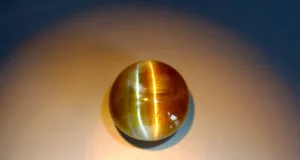
What is Chatoyancy (Cat’s Eye Effect) in Gemstones
Chatoyancy, also known as the Cat's Eye Effect, is a captivating optical phenomenon found in certain gemstones. This effect, characterized by a moving band...

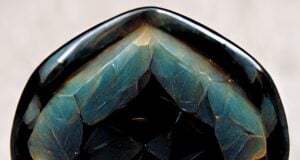
10 Black Gemstones: Geology, Formation, Properties & Symbolism
Black gemstones are among the most distinctive materials found in the gem world.Unlike brightly colored gemstones, whose colors are often produced by selective absorption...

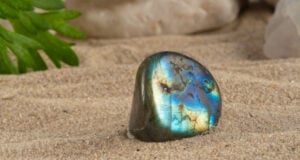
Labradorite: The Mystical Stone of Northern Lights – Uses and Lore
Labradorite is a captivating feldspar mineral renowned for its striking iridescence, known as labradorescence, which produces dazzling flashes of blue, green, gold, and violet. This...

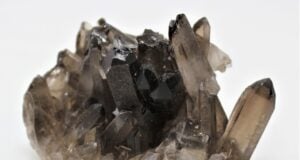
The Impact of Radiation on Smoky Quartz: Natural vs. Artificial Irradiation

Smoky quartz is a popular variety of quartz known for its distinctive brown to black coloration. This unique hue is primarily caused by exposure...

Most Precious Types of Sapphires

At first glance, the sapphire world looks like a simple collection of “blue stones,” but in reality it’s a far more complex and fascinating...

Spinel: The Hidden Gemstone Treasure

Spinel is a fascinating and historically significant gemstone that has often been overshadowed by more famous stones like ruby and sapphire. The name "spinel"...

Diamond Types and Their Colors

Diamonds are crystalline forms of carbon known for their unparalleled hardness, brilliant luster, and extraordinary optical properties. Formed under high-pressure and high-temperature conditions deep...

Bismuth Crystals: The Rainbow Metal – Where Art Meets Science

In the world of minerals and metals, few specimens capture the imagination quite like bismuth crystals. With their dazzling, iridescent colors and intricate geometric...

Ruby: Geological Formation and the Role of Trace Elements in Color

Rubies are one of the most coveted gemstones in the world, known for their stunning red hues and exceptional brilliance. They are a variety...

The Use and Meaning of Natural Stones in Ancient Civilizations
Since the dawn of human civilization, natural stones have held a special place in the hearts, beliefs, and daily lives of people. Long before...

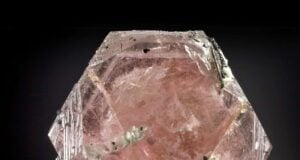
Morganite: Why Collectors Love It

Morganite, with its delicate pink to peach hues, has captured the hearts of gemstone collectors and jewelry enthusiasts alike. A variety of beryl (the...

What is Spinel? Discovery, Properties, and Origins

Spinel is a fascinating gemstone with a rich history and captivating properties. Known for its vibrant colors, remarkable hardness, and a history that intertwines...