





Gemstone Guides

Home Gemstones Gemstone Guides Page 4

Gemstone Guides is your dedicated section for understanding the science, origins, and unique character of natural gemstones. Each guide explores a different stone in depth — how it forms, where it is found, what gives it its color, and how experts identify it. From rare high-value gems to commonly used minerals in jewelry, this category brings together reliable information for collectors, students, jewelers, and anyone fascinated by the beauty of gemstones.

Here you’ll find clear explanations, geological insights, and practical tips that help you understand gemstones beyond their appearance. Whether you want to identify a stone, compare varieties, learn about treatments, or explore the history behind famous gems, our guides offer a complete and accessible resource.

Gemstones are more than decorative objects — they are geological records of heat, pressure, time, and Earth’s natural processes. This category helps you appreciate them not only as jewelry, but as fascinating pieces of Earth’s evolution.

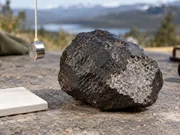
Obsidian: Nature’s Volcanic Glass – From Arrowheads to Skincare

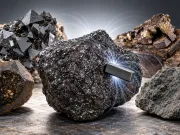
Obsidian is one of those rare natural wonders that instantly captures your imagination. Imagine molten lava cooling so quickly that it never gets the...

The Role of High Pressure and Temperature in Diamond Formation

Diamonds are renowned for their exceptional hardness and beauty, making them highly valued both in jewelry and industrial applications. The formation of natural diamonds...

Amethyst: The Mystical Purple Gem – Healing and Industrial Uses

Amethyst, a stunning variety of quartz, is renowned for its mesmerizing shades of purple, ranging from pale lilac to deep violet. This semi-precious gemstone...

Agate Types and Varieties

Agate is a type of chalcedony, which is a variety of microcrystalline quartz. It forms in volcanic rocks or ancient lava cavities, creating stunning...

Moonstone: Legends and Modern Jewelry
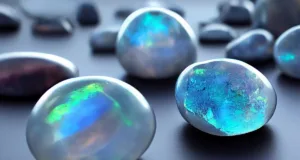
A Stone Born from Moonlight and MagicThere’s something undeniably enchanting about moonstone. Hold it up to the light, and it dances with an otherworldly...

Gemstones: Unique Optical Effects in Geology

Gemstones have long captivated humanity with their beauty, rarity, and durability. Among the vast array of gemstones, some possess rare optical phenomena that make...

The Use and Meaning of Natural Stones in Ancient Civilizations

Since the dawn of human civilization, natural stones have held a special place in the hearts, beliefs, and daily lives of people. Long before...

Ruby: Geological Formation and the Role of Trace Elements in Color
Rubies are one of the most coveted gemstones in the world, known for their stunning red hues and exceptional brilliance. They are a variety...

Topaz: A Gem of Many Colors – Properties and Significance

Topaz is one of the most fascinating gemstones, admired for its stunning range of colors, brilliance, and durability. Found in various hues, from golden...

What is Ammolite? Discovery, Properties, and Origins

Ammolite is a strikingly beautiful and rare gemstone with a rich history tied to the ancient marine world. Its vibrant, iridescent colors make it...

The Geochemistry of Beryl Varieties: From Emerald to Aquamarine

The Many Faces of BerylBeryl is one of the most fascinating and diverse minerals in the gemstone world. From the deep green of emeralds...

Feldspar Group Gemstones

Feldspar is one of the most abundant mineral groups on Earth, comprising approximately 60% of the Earth's crust. As a significant component of igneous,...